You’ve been living abroad for years, building your career and your life overseas. But Nigeria never left your heart. And as you’ve watched real estate prices climb in London, New York, or Toronto, you’ve realized that property in Nigeria offers something precious: affordable entry into real estate investment, genuine wealth building potential, and a tangible connection to home.
Yet buying property in Nigeria while living thousands of miles away isn’t straightforward. You face foreign exchange complications, time zone challenges, the need to trust local agents you’ve never met, and concerns about documentation and legal security. Many diaspora investors have made costly mistakes by not understanding the specific process for international property purchase in Nigeria.
This guide walks you through the complete process of buying property in Nigeria from the UK, US, or Canada, helping you navigate the unique challenges diaspora investors face while protecting your investment.
Why Diaspora Investors Are Looking at Nigerian Real Estate
The numbers tell the story. A luxury apartment in a prime Lagos location costs a fraction of equivalent property in London. Even accounting for the naira exchange rate, the appreciation potential is enormous. A property that costs GBP 150,000 or USD 190,000 in Nigeria might require GBP 500,000 or USD 650,000 for equivalent quality in the UK or US.
Beyond pure economics, diaspora investors have personal reasons for investing in Nigeria. Building family legacy, ensuring a home base for retirement, creating rental income in naira, and contributing to Nigerian development all motivate diaspora investment.
The challenge is executing these investments safely from thousands of miles away, in a real estate market quite different from what you know in the West.
The Diaspora Investor’s Challenge: Information Gaps and Trust
Unlike buying property locally, where you can visit multiple times, meet developers in person, and check references within your community, diaspora investing requires trusting people and systems you haven’t directly verified.
You can’t easily pop down to see your property under construction. You rely on photos, videos, and descriptions from people you’ve never met. You can’t sit across a lawyer’s desk to review documents. Financial transactions involve foreign exchange, international bank transfers, and unfamiliar payment platforms.
Additionally, Nigerian real estate laws differ significantly from UK, US, or Canadian property law. What seems normal in property transactions here might be red flags in Nigeria, and vice versa.
Step 1: Select Your Location and Property Type
Where Should Diaspora Investors Buy?
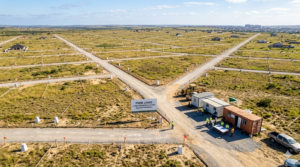
Focus on established, growing urban centers: Lagos (Lekki, Ikoyi, Victoria Island, Ajah), Abuja (Ikoyi, Maitama, Wuse), and increasingly, Ibadan. These locations have the strongest rental markets, best security, and most transparent transaction histories. Avoid raw land in remote areas unless you’re comfortable with very long holding periods and significant development uncertainty.
Property Types That Make Sense for Diaspora Investors
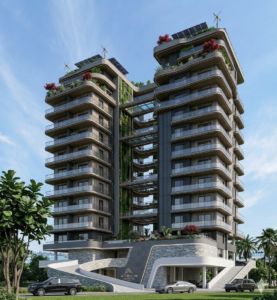
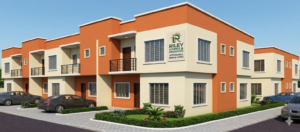
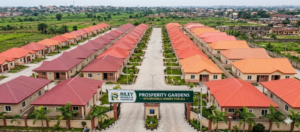
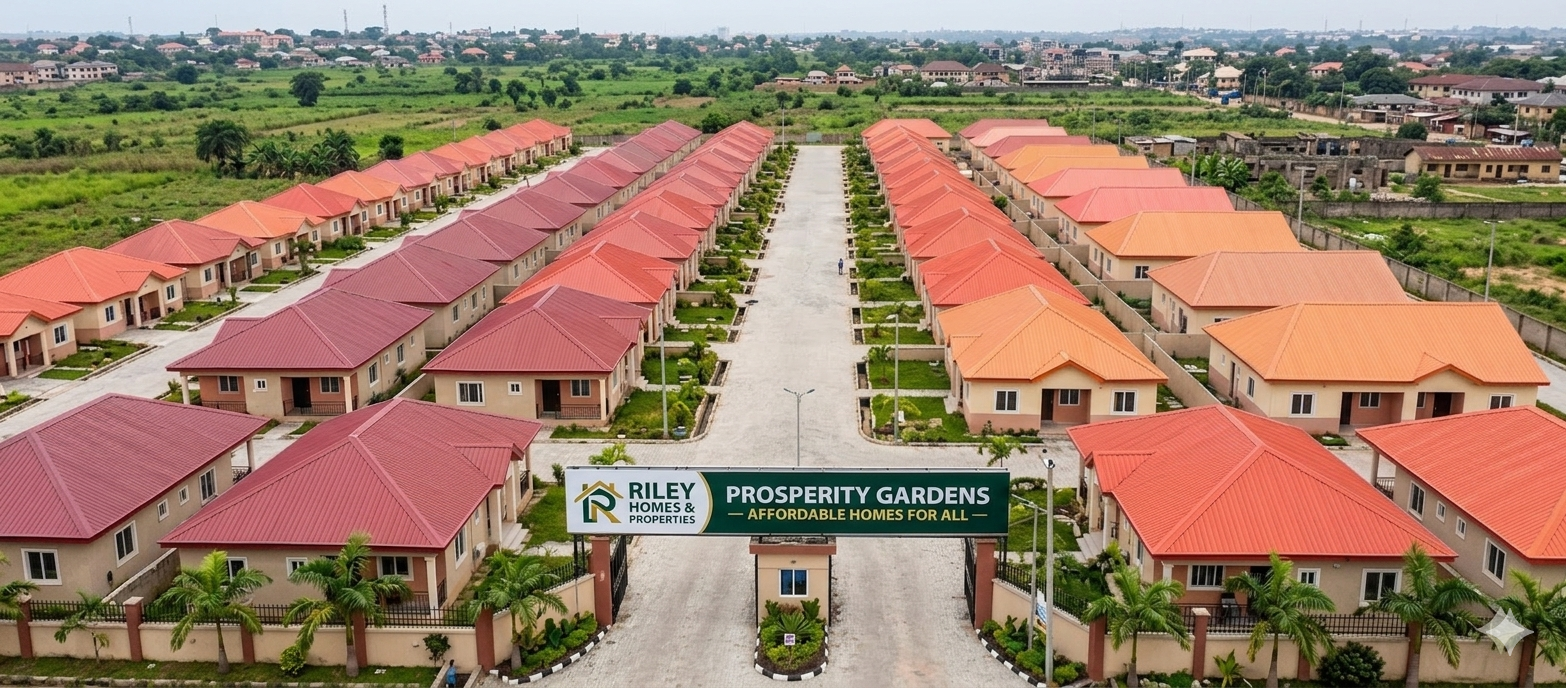
Completed or near-completed residential apartments in established estates are ideal. You see exactly what you’re buying, minimize construction risk, and typically move into rental income quickly. Riley Homes offers fully completed apartments and serviced plots across Lagos and Ibadan, perfect for diaspora investors wanting minimal development risk.
Avoid off-plan purchases (buying before construction begins) unless from very established developers you can thoroughly verify. The risk of project delays or abandonment is too high when you can’t personally monitor construction progress.
Step 2: Partner With a Reputable Developer or Agent
Why This Is Non-Negotiable
Your most critical decision is choosing who to work with. A reputable developer or agent becomes your eyes, ears, and hands in Nigeria. They verify property titles, arrange viewings, negotiate prices, handle documentation, and facilitate fund transfers.
Vetting Developers and Agents
1. Check track record: How long have they been operating? What completed projects can they show? Ask for references from other diaspora investors who’ve purchased through them.
2. Verify legitimacy: Check their registration with the Real Estate Developers Association of Nigeria (REDAN) and professional bodies. Many fraudulent operators exist; verification is non-negotiable.
3. Check online presence: Established companies maintain professional websites, active social media, and transparent communication. Scammers often use poor-quality websites and vague communication.
4. Phone calls matter: Call your contact multiple times, at different hours. Speak to different staff members. Established companies have consistent, professional communication.
5. Work with companies specializing in diaspora clients: Riley Homes, for example, has specific expertise in facilitating purchases for diaspora investors. They understand your constraints and provide support tailored to remote buying.
Get Everything in Writing
Never rely on verbal agreements or informal WhatsApp conversations for property transactions. All terms must be documented in writing: property specifications, price, payment schedule, completion timeline, and post-purchase support.
Step 3: Verify Documentation and Legal Security
The Title Question
Before committing funds, confirm the property has one of the recognized title types: C of O (Certificate of Occupancy), Governor’s Consent, or Deed of Assignment from a verified previous owner. Any property without clear title documentation is too risky for a distant investor who can’t personally defend it if questioned.
Independent Legal Review
Don’t rely solely on the developer’s lawyer. Hire your own Nigerian real estate lawyer (your developer can recommend reputable ones, but choose one yourself) to independently verify all documentation. This costs additional naira but is essential insurance against fraud.
Your lawyer should:
Conduct a title search at the state land registry confirming no conflicting claims.
Verify the developer’s right to sell the property.
Review the sales agreement for protection of your interests.
Ensure property boundaries and descriptions match the official documents.
Advise on the timeline for title formalization if applicable.
Money Laundering and Due Diligence
Be prepared for thorough due diligence from both Nigerian banks and international financial institutions. Large property purchases trigger anti-money-laundering protocols. Prepare documentation of your income, employment, and the source of funds. This isn’t suspicious; it’s standard procedure for substantial international transactions.
Step 4: Understanding Payment and Foreign Exchange
Payment Methods for Diaspora Investors
Most Nigerian developers accept payment via:
1. International bank transfer: From your UK, US, or Canadian bank to the developer’s Nigerian or international account. Use services specializing in GBP/USD to NGN transfers (often better rates than regular banks).
2. Wire transfer: Direct transfer through SWIFT, though this is more expensive.
3. Cryptocurrency (some developers): A small but growing number of developers accept crypto payments, which can be simpler for diaspora transfers, though volatility is a concern.
Foreign Exchange Management
The naira exchange rate fluctuates. A property quoted at USD 100,000 might require USD 105,000 two months later if the naira weakens. Discuss this with your developer. Some offer fixed USD pricing; others tie payment to current exchange rates. Understand the terms clearly before committing.
Consider payment timing. Paying in lump sum has risks; structured payments allow you to exit if issues arise. A typical structure: 20-30% deposit to secure the property, 50% upon inspection/developer readiness, 20-30% at handover.
Tax and Remittance Considerations
You may have tax obligations in both Nigeria and your country of residence. Consult with a tax advisor familiar with diaspora property investment. Nigeria’s tax regime for non-resident property owners is generally straightforward, but compliance is important.
Step 5: Conduct Remote Due Diligence
Video Inspections and Virtual Tours
Ask your developer to provide detailed video tours of the property from multiple angles. Request videos from different times of day (showing lighting) and in various weather. Ask your lawyer or a local representative to visit the property in person and report back. Many developers now provide virtual reality property tours; this is an excellent sign of confidence and transparency.
Verify the Actual Location
Use Google Earth and satellite imagery to verify the property exists and is in the location described. Check nearby infrastructure: roads, schools, hospitals, shopping centers. A property’s value is determined partly by what’s around it.
Background Check on the Developer
Search for any legal cases, disputes, or complaints involving the developer. Nigeria’s internet contains information about problematic companies; do the research. Ask your lawyer to conduct local investigations.
Ask for completed projects: Photos, handover dates, client testimonials. Any developer worth working with will gladly provide this.
Step 6: Finalizing the Purchase
The Sales Agreement
Your lawyer should negotiate the sales agreement, ensuring it protects your interests. Key terms should include:
Specific property description and boundaries.
Clear pricing with no hidden fees.
Defined payment schedule and milestones.
Specified completion date with penalties for delays.
Developer’s obligation to provide clear title documentation.
Your right to inspect the property and raise concerns.
Dispute resolution mechanism if issues arise.
Signing Documents Remotely
Most transactions can be completed with digital signatures via platforms like DocuSign or through notarized copies. Ensure documents are properly witnessed and that your signature is verified by a notary public in your country of residence and a notary in Nigeria.
Title Transfer and Registration
After paying in full, the developer must transfer the property title to you. This process varies by state but typically involves registering the Deed of Assignment or similar document in your name at the state land registry. Your lawyer handles this; ensure it’s completed before final payment if possible, or immediately after.
Step 7: Post-Purchase: Managing Your Property Remotely
Property Management
Once you own the property, you’ll need someone on the ground managing it. Options include:
Professional property management companies (charge 5-10% of rental income).
Trusted family or friends (free but risky for accountability).
Real estate agents handling rentals.
For diaspora investors, professional management is worth the cost. Your property manager handles maintenance, finds tenants, collects rent, and sends you funds monthly.
Security of Funds and Payments
Establish a system for rent collection. Many management companies use bank transfers, ensuring traceability and security. Never accept cash sent through informal channels. Set up a dedicated Nigerian bank account or use money transfer services to receive rental income.
Ongoing Legal Compliance
Ensure property taxes are paid. Maintain C of O or other title documents safely (many diaspora investors keep them in safe deposit boxes in Nigeria). Update your registration if you change addresses abroad.
Common Mistakes Diaspora Investors Make (And How to Avoid Them)
Mistake 1: Working With Unknown Agents
Avoid being connected with developers through casual contacts or social media. Insist on verification and established reputation. This is where most fraud occurs.
Mistake 2: Rushing the Process
Property investment isn’t urgent. Take time for thorough due diligence. A delayed decision is better than hasty investment in a problematic property.
Mistake 3: Ignoring Legal Review
Skipping independent legal advice to save money is shortsighted. Your lawyer is your insurance against fraud and legal complications.
Mistake 4: Misunderstanding Title Security
Ensure you understand exactly what title you’re receiving and what it means. Ambiguity in title is unacceptable for diaspora investors who can’t easily address problems later.
Mistake 5: Poor Financial Management
Don’t send large sums without documented agreements. Use structured payments with clear milestones. Ensure every transfer is documented and traceable.
Why Riley Homes Works for Diaspora Investors
Riley Homes & Properties has developed specific expertise in serving diaspora clients. They understand that remote investors need extra transparency, reliable communication across time zones, detailed documentation, and confidence in every step. Riley Homes’ estate developments are either completed or far advanced, reducing construction risk. Their commitment to title formalization and clear documentation matches what diaspora investors require.
Additionally, their properties are in high-demand locations with strong rental markets, important for investors seeking immediate income from their Nigerian properties.
Your Nigerian Real Estate Investment Awaits
Buying property in Nigeria from abroad is entirely feasible when you follow proper procedures, work with reputable partners, and conduct thorough due diligence. Thousands of diaspora investors have successfully built Nigerian property portfolios while living in the UK, US, Canada, and beyond.
The key is patience, verification, and refusing to cut corners on legal and financial security. With these principles guiding your process, your Nigerian property investment can become the wealth-building asset you’ve envisioned, connecting you to home while building your family’s financial future.